
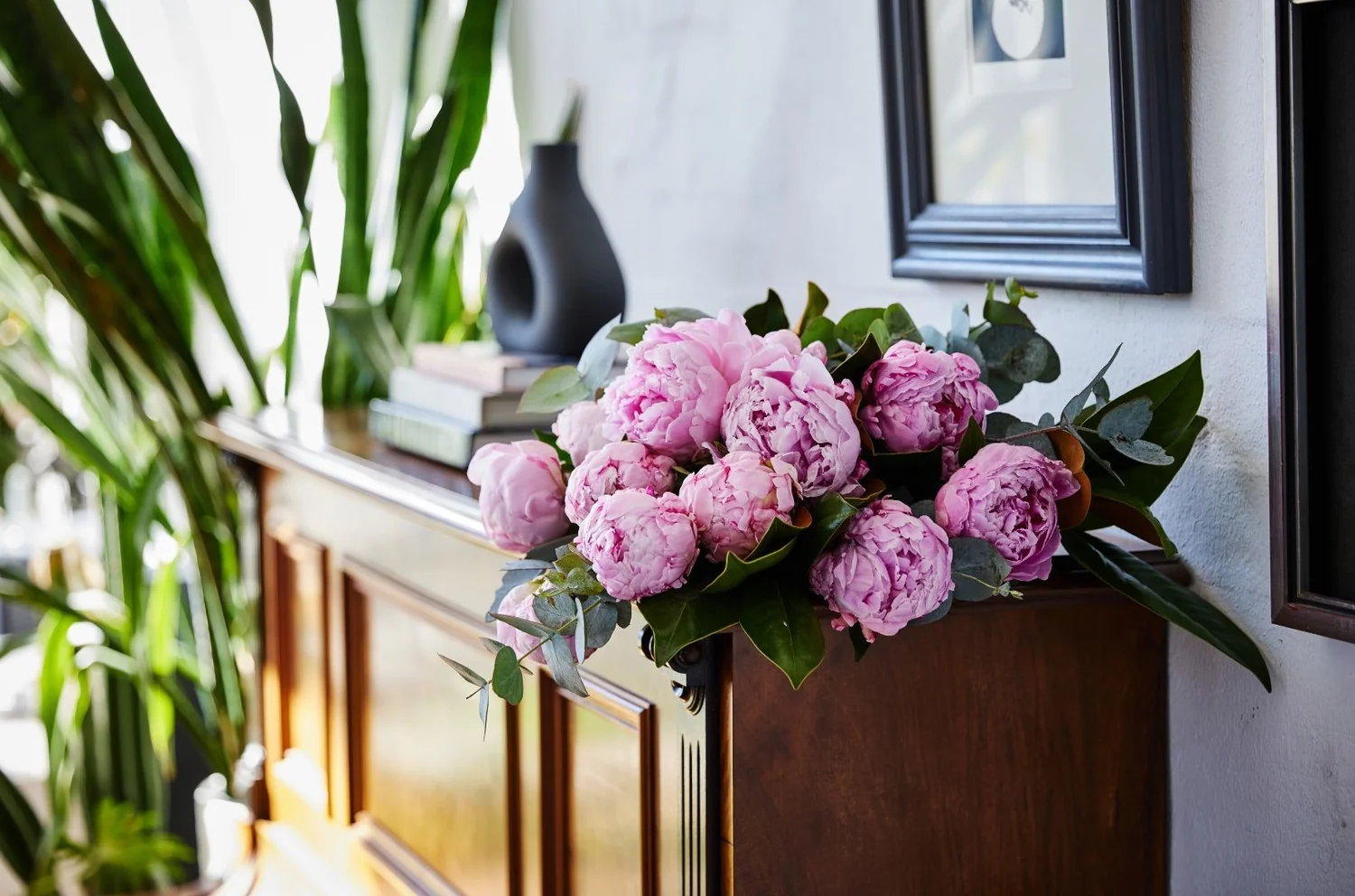
Every florist in the city advertises fresh flower delivery Sydney wide. It is the least useful claim in the industry, because nobody advertises stale flowers. The word only becomes meaningful when you understand what determines freshness, which is mostly invisible and happens before the bouquet is built.
This guide covers the mechanics: what fresh means physiologically, what a good workroom does that a bad one skips, which stems hold up in Sydney’s climate, and how to assess what arrives at your door.
Freshness Is About Water Movement, Not Age
A cut stem is a severed plumbing system. Once it leaves the plant it survives by drawing water up narrow channels called xylem. Everything that shortens vase life does one of two things: it blocks those channels, or it accelerates the flower’s ageing.
Channels get blocked by three things. Bacteria multiplying in dirty water and getting drawn into the stem. Air entering when a stem sits out of water and forms an embolism. The stem sealing over as cut tissue dries and oxidises.
Ageing gets accelerated mainly by ethylene, a plant hormone that triggers senescence. Ripening fruit produces it. So do dying flowers. So does poor storage.
This is why a three-day-old stem that was conditioned properly outlasts a same-day stem that was not. Fresh flower delivery Sydney customers actually want is less about the calendar and more about handling.
What a Good Workroom Does
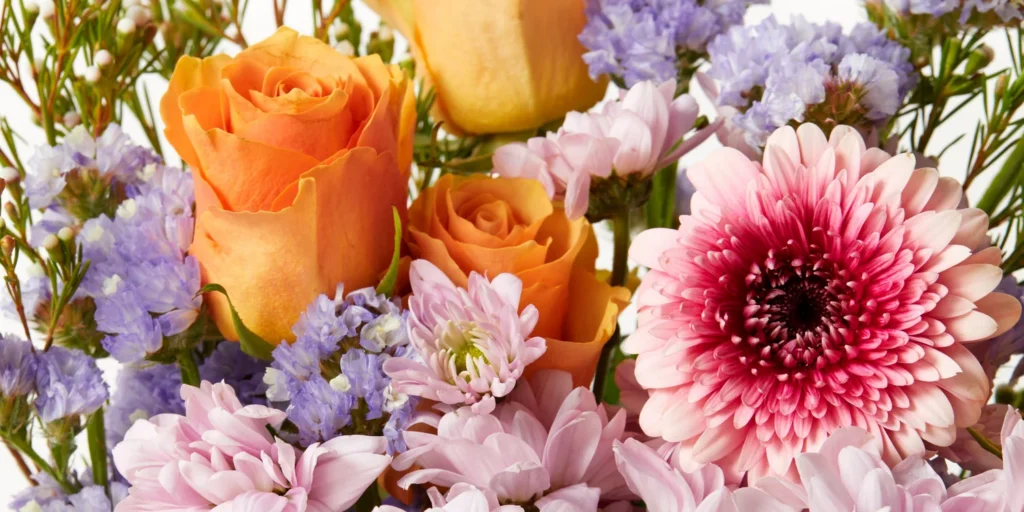
Proper conditioning is unglamorous, invisible to the buyer, and the entire difference between a nine-day bouquet and a four-day one.
- Recut on arrival, at an angle, with sharp blades. Blunt blades crush the xylem and stop water moving.
- Strip all foliage that would sit underwater. Submerged leaves rot and become a bacteria factory.
- Hydrate in clean, treated water before designing, not after. Stems need to drink before they are handled.
- Sear or hot-water treat the stems that require it. Roses, poppies and some woody stems benefit significantly.
- Rest in a cool room so the flowers slow their metabolism and open on schedule rather than all at once.
- Keep the cool room clean. Buckets and vessels get washed, not rinsed.
A shop that does all six gives you flowers that outlast the same varieties from a shop that does none. Nothing you do at home makes up the gap.
Watch: The Conditioning Step Most People Skip
Searing is the technique that separates a florist’s roses from supermarket roses, and it takes seconds: Conditioning Cut Flowers for Ultimate Vase Life.
The Science Behind It
This is a genuinely researched field, not folklore.
Australian postharvest studies on vase life determinants in cut native foliage found that season of harvest was the single most influential factor in longevity, and that postharvest treatments increased vase life around 1.4fold on average. That is the difference between six days and nine.
Other Australian work has shown that antimicrobial treatment of vase water can extend vase life dramatically – a study on silver nanoparticle treatment of cut gerbera recorded a 62% extension over untreated controls, purely by suppressing microbial growth and preventing vascular blockage.
The takeaway for a buyer is blunt: bacteria control is the highest-leverage thing in the whole process. That is what the flower food sachet is for, and it is why a clean vase matters more than an expensive one.
Buying for Freshness: What Actually Lasts in Sydney
Sydney’s climate is the other half of the equation. Humidity and heat compress vase life, particularly December through February.
Long-lasting in Sydney conditions:
- Natives – banksia, protea, waratah, kangaroo paw, gum foliage, waxflower. Bred for this climate, minimal fuss, often a fortnight.
- Chrysanthemum – unfashionable, extraordinarily durable, and modern antique-toned varieties look nothing like the servo bunch.
- Lisianthus – delicate-looking, genuinely tough, opens progressively over a week.
- Alstroemeria and carnation – both underrated, both hold ten days or more.
- Orchid – expensive per stem, but weeks of life makes the maths work.
Short-lived, order for the day not the week:
- Gardenia and magnolia flower – stunning, fragile, days not weeks.
- Hydrangea – thirsty and prone to collapse in heat; needs deep water and shade.
- Peony – a genuine spring event, but a short window once open.
- Sweet pea and anemone – beautiful and brief.
There is nothing wrong with buying short-lived flowers. Just buy them knowing that is the trade, and buy them for the occasion rather than for the fortnight.
Seasonal Buying Is Freshness Buying
Asking for what is in season is the same thing as asking for what is fresh. A stem grown locally and cut this week beats an out-of-season import every time.
Spring (Sep-Nov): ranunculus, tulip, sweet pea, stock, freesia, garden rose, blossom branch. Peony for a short window in October and November.
Summer (Dec-Feb): hydrangea, dahlia, lisianthus, agapanthus, gardenia, orchid. Morning delivery, heattolerant varieties.
Autumn (Mar-May): chrysanthemum, dahlia, protea, banksia, celosia, berried foliage. The best value and longest vase life of the year.
Winter (Jun-Aug): anemone, hellebore, magnolia branch, camellia, wattle, waratah.
Ask for “designer’s choice, in season” with a budget and you will consistently get fresher stems and more of them than choosing from a fixed catalogue.
Where Sydney’s Flowers Come From
NSW has a substantial commercial cut flower industry, most of it within a few hours of the city. Growers are clustered around the Sydney basin, the Hills District, the Central Coast and the coastal strip, with the trade running largely through the flower market at Flemington. The state’s horticulture and primary industries resources set out how the sector is organised.
Buying Australian-grown is not just economics. Stems that have not been air-freighted arrive with more of their vase life intact, which is the entire point of paying for fresh flower delivery Sydney in the first place. Ask your florist where the flowers came from. A good one tells you without pausing.
How to Assess What Arrives
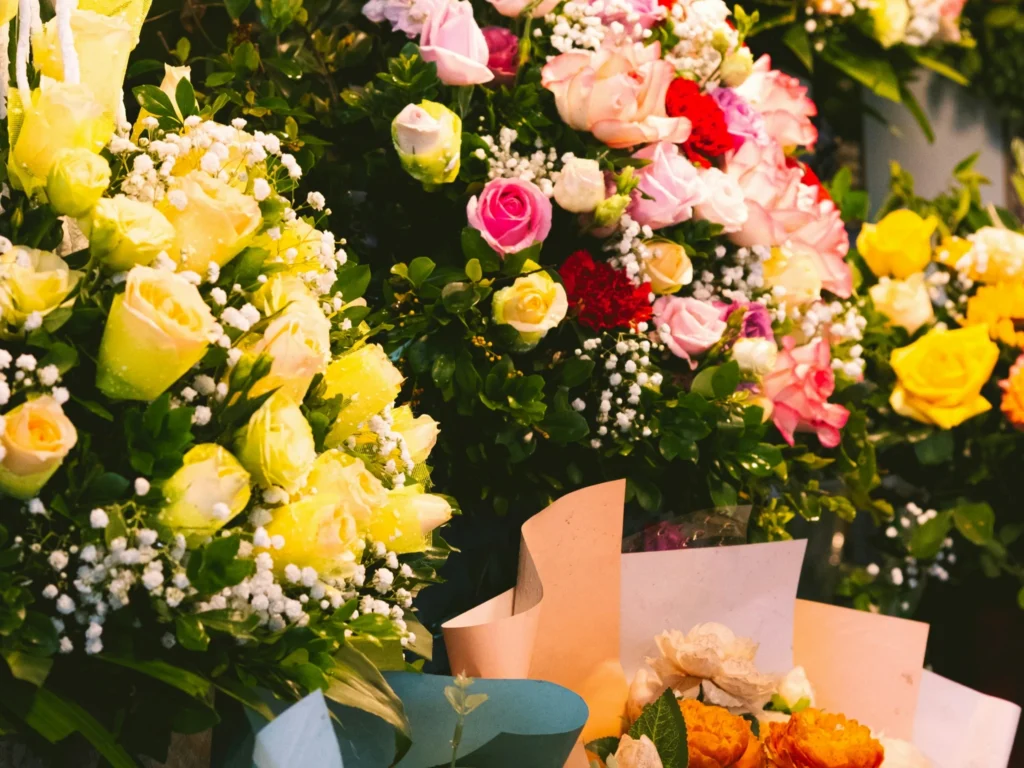
Five checks, thirty seconds.
- Squeeze the stem ends. Firm and pale is right. Brown, soft or slimy is not.
- Check the outer petals on roses. Florists leave guard petals on deliberately to protect the bloom; peel one back and the flower underneath should be crisp.
- Look at the foliage. Yellowing leaves mean age or heat stress in transit.
- Check the buds. Some closed buds are good – they open in your vase. All-open flowers means nothing is left to give.
- Smell the water if it arrived in a vessel. Sour means bacteria was already winning.
Care on Arrival
- Recut 2cm at a 45-degree angle, with sharp blades, immediately.
- Use a vase washed in hot soapy water and scrubbed, not rinsed.
- Strip every leaf below the waterline.
- Add the flower food sachet and dissolve it fully.
- Change the water completely every second day and recut.
- Away from the fruit bowl, out of the afternoon western sun, cooler room overnight in summer.
The Bottom Line
Fresh flower delivery Sydney is decided in a cool room you will never see. Buy from a workroom that conditions properly and buys Australian-grown in season, ask for designer’s choice within a budget, then keep the vase clean and the water moving. Freshness is a handling story, not an advertising one, and the vase is where the truth shows up.
