
Understanding Termites and Their Impact
Termites are often referred to as the “silent destroyers” of the pest world, capable of causing extensive damage to wooden structures without any immediate signs of their presence. In the picturesque Blue Mountains region, where timber is commonly used in construction, the threat posed by these pests is particularly significant. Understanding how termites operate and the potential damage they can inflict is crucial for homeowners and property managers alike.
The Biology of Termites
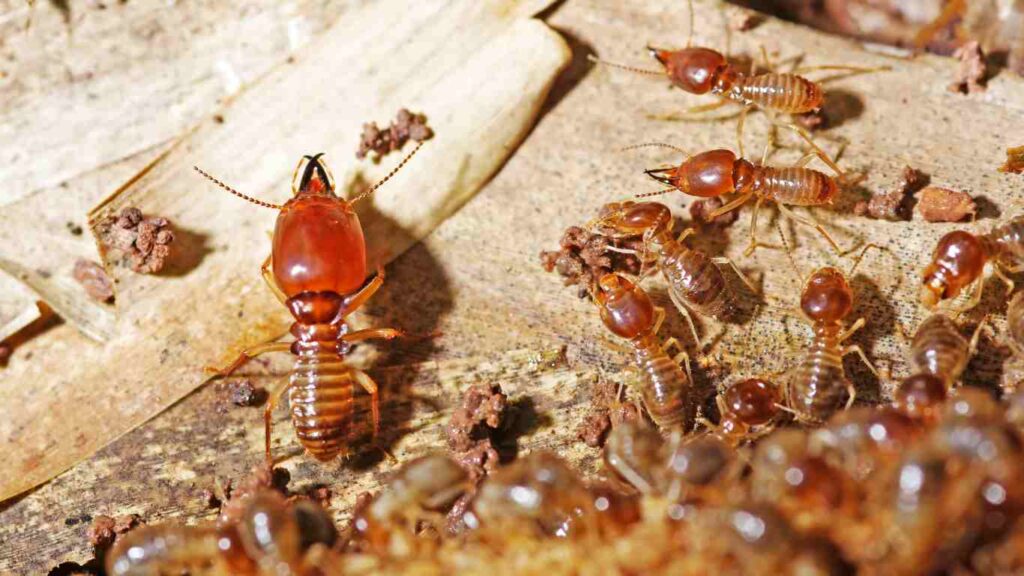
Termites are social insects that live in colonies, which can range from a few hundred to millions of individuals. They primarily feed on cellulose, a component found in wood, paper, and other plant materials. The most common species in Australia include the subterranean termite and the drywood termite, each with distinct behaviours and nesting habits. Subterranean termites, for instance, build their colonies underground and can travel significant distances to find food, while drywood termites typically infest the wood they consume. Their complex social structure includes a caste system, with workers, soldiers, and reproductive individuals, each playing a crucial role in the colony’s survival. This division of labour allows them to efficiently exploit resources and defend their nests, making them formidable pests making the need for best termite control sydney necessary.
Signs of Infestation
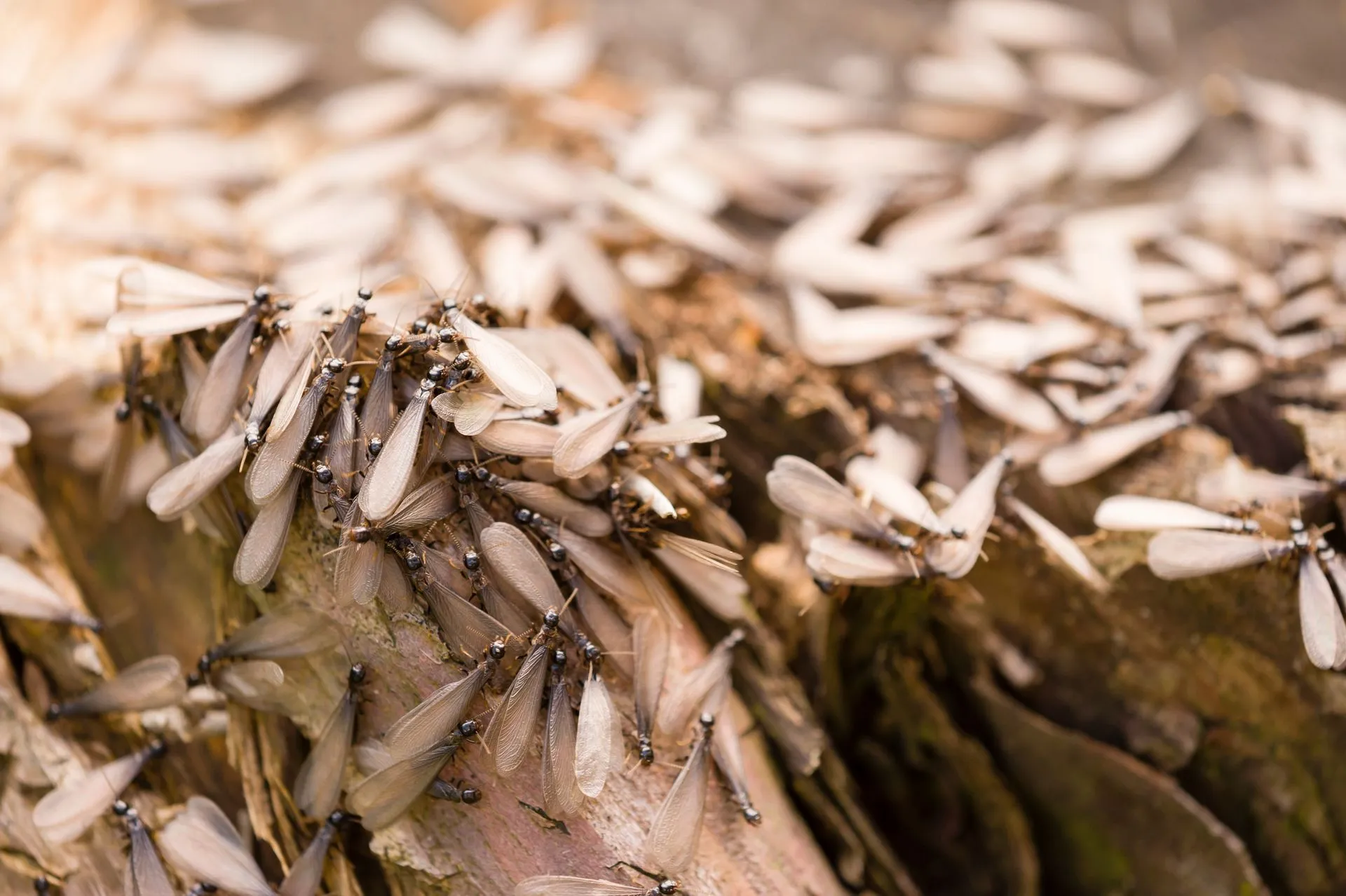
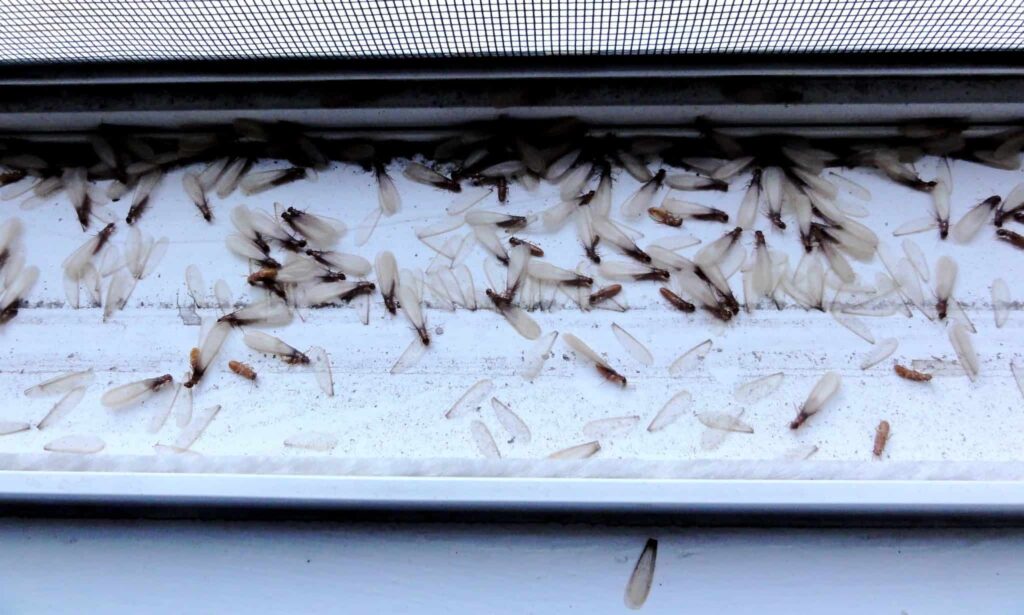
Identifying a termite infestation early can save homeowners from costly repairs. Common signs include mud tubes, which are pencil-sized tunnels made from soil and wood, and damaged wood that may sound hollow when tapped. Additionally, discarded wings from swarmers and frass, which resembles sawdust, are also indicators of termite activity. Regular inspections are essential to catch these signs before they escalate into a more severe problem. Homeowners should also be vigilant for unexplained cracks in walls or ceilings, as these can indicate structural weakening caused by termite activity. Furthermore, the presence of moisture can attract termites, so maintaining a dry environment around the home is crucial in prevention efforts.
The Consequences of Ignoring Infestations
Ignoring a termite infestation can lead to severe structural damage, often amounting to thousands of pounds in repairs. In some cases, the damage may compromise the integrity of the building, leading to safety hazards. Furthermore, many insurance policies do not cover termite damage, leaving homeowners to bear the financial burden. Therefore, proactive measures, including regular inspections, are vital to safeguarding properties in the Blue Mountains. The long-term implications of neglecting termite control can extend beyond immediate financial costs; property values may plummet, and the emotional toll of dealing with extensive repairs can be overwhelming. Moreover, the environmental impact of using chemical treatments to combat infestations is an ongoing concern, prompting many homeowners to seek out eco-friendly pest control solutions that are both effective and sustainable.
The Importance of Regular Termite Inspections
Regular termite inspections are a fundamental aspect of property maintenance, especially in areas prone to infestations. These inspections not only help in identifying existing problems but also play a crucial role in prevention.
Frequency of Inspections
It is generally recommended that homeowners schedule a termite inspection at least once a year. However, properties located in high-risk areas, such as the Blue Mountains, may benefit from more frequent inspections. Factors such as the age of the property, previous infestations, and proximity to wooded areas can all influence the frequency of inspections needed.
What to Expect During an Inspection
A professional termite inspection typically involves a thorough examination of both the interior and exterior of the property. Inspectors will look for signs of termite activity, including mud tubes and wood damage, and will also check for conducive conditions, such as moisture and wood-to-soil contact. The inspection may also include an assessment of nearby trees and landscaping, as these can harbour colonies that may pose a risk to the home. Read more about what to expect during an inspection at https://extension.umd.edu/iaa.umd.edu/resource/termites
Choosing a Qualified Inspector
When selecting a termite inspector, it is essential to choose a qualified professional with experience in the field. Look for inspectors who are licensed and insured, and consider seeking recommendations from friends or family. A reputable inspector will provide a comprehensive report detailing their findings and recommendations for treatment or prevention.
Moreover, it is beneficial to inquire about the inspector’s methodology and the tools they use during the inspection. Advanced technologies, such as thermal imaging and moisture meters, can enhance the accuracy of the inspection, allowing for the detection of hidden infestations that may not be visible to the naked eye. Understanding the inspector’s approach can give homeowners peace of mind, knowing that they are receiving a thorough evaluation of their property.
Additionally, homeowners should be proactive in maintaining their property to reduce the risk of termite infestations. This can include ensuring proper drainage around the foundation, sealing cracks and crevices, and storing firewood away from the home. By taking these preventative measures, combined with regular inspections, property owners can significantly mitigate the risk of termite damage, which can lead to costly repairs and a decrease in property value.
Preventative Measures to Protect Your Property
Preventing termite infestations is often more cost-effective than dealing with an existing problem. Homeowners can take several proactive steps to protect their properties from these destructive pests.
Moisture Control
Termites thrive in moist environments, making moisture control a critical aspect of prevention. Homeowners should ensure that gutters and downspouts are functioning correctly to direct water away from the foundation. Additionally, fixing any leaks and ensuring proper drainage can significantly reduce the risk of attracting termites.
Wood Management
Proper wood management is essential in preventing termite infestations. Homeowners should avoid using untreated wood in contact with the ground and ensure that firewood and other wooden materials are stored away from the home. Regularly inspecting wooden structures, such as decks and fences, can also help identify potential issues before they escalate. To learn about managing woodlands click here.
Landscaping Considerations
Landscaping plays a significant role in termite prevention. Homeowners should maintain a clear zone of at least 30 centimetres between soil and wooden structures, ensuring that mulch and soil do not come into direct contact with the wood. Additionally, selecting termite-resistant plants and materials can further enhance protection against infestations.
Understanding Treatment Options
In the unfortunate event of a termite infestation, various treatment options are available. Understanding these methods can help homeowners make informed decisions about how to address the problem effectively.
Chemical Treatments
Chemical treatments, often referred to as termiticides, are a common method for managing termite infestations. These pesticides can be applied to the soil around the foundation of the property to create a barrier that prevents termites from entering. It is crucial to hire a licensed pest control professional to ensure the safe and effective application of these chemicals.
Baiting Systems
Baiting systems are another effective treatment option. These systems involve placing bait stations around the property, which contain a slow-acting insecticide. Termites consume the bait and carry it back to the colony, ultimately leading to the elimination of the entire colony. Baiting systems can be a more environmentally friendly option compared to traditional chemical treatments.
Physical Barriers
Physical barriers, such as steel mesh or concrete, can be installed during construction or renovation to prevent termites from accessing the property. These barriers can be particularly effective in new builds, providing an additional layer of protection against infestations.
Conclusion: Taking Action Against Termites
In the beautiful Blue Mountains, where timber structures are prevalent, being vigilant against termite infestations is essential. Regular inspections, preventative measures, and understanding treatment options can significantly reduce the risk of damage caused by these pests. Homeowners are encouraged to take proactive steps to protect their properties and seek professional assistance when necessary.
By staying informed and taking action, it is possible to spot infestations before it’s too late, ensuring the longevity and safety of homes in this stunning region. Investing time and resources into termite prevention and management not only protects property but also provides peace of mind for homeowners and their families.
Related : Rodent Control Sydney: Why Early Intervention Matters
