
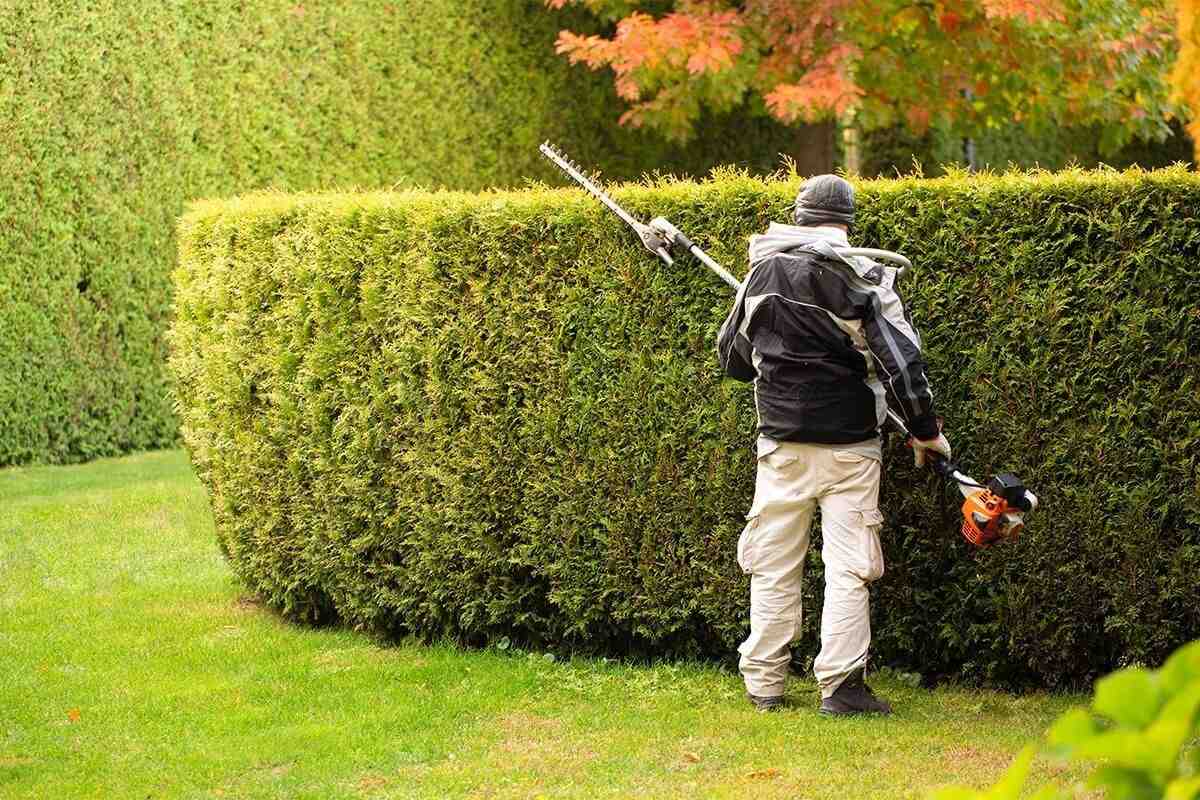
This guide also covers how to plan hedge cutting near me tasks so hedges stay healthy, tidy, and compliant with local expectations.
What should they check in spring?
Spring is for recovery and restart. Alongside essential hedge cutting, they should focus on clearing winter debris, restoring healthy growth, and spotting damage early.
They should rake leaves and thatch, edge borders, and top up mulch where it has broken down. It is also a good time to inspect fences, sheds, and gates for rot, loose fixings, or leaning posts.
If the lawn is thin, they can overseed and apply a spring feed. After completing hedge cutting, they should also check outdoor taps and irrigation systems for leaks before regular watering begins.
When should they schedule hedge cutting near me in spring?
They should book light trimming once new growth is established, but avoid heavy cuts during peak nesting season. In many areas, birds nest through spring and early summer, so they should check local guidance and inspect hedges before any work.
If a hedge needs shaping, a light, tidy cut can maintain form without stressing the plant. For fast growers, setting an early baseline trim makes summer maintenance easier and reduces the risk of overgrowth into paths or driveways.
What summer tasks prevent bigger problems later?
Summer maintenance is mostly about control. They should keep growth tidy, manage watering, and prevent pests from getting established.
They can mow little and often, leaving grass slightly longer during heat to reduce stress. They should also watch for dry patches and water deeply rather than frequently. Beds benefit from regular weeding before weeds seed.
Patios and paths should be checked for algae and slippery areas. If they notice ants, aphids, or fungal issues, addressing them early usually prevents larger outbreaks.
How often should they plan hedge cutting near me during summer?
They should expect one or two trims depending on species and growth rate. Summer is typically when hedges look untidy fastest, especially along boundaries and roadside edges.
A mid season cut keeps lines crisp and reduces shading on lawns and borders. They should avoid cutting during extreme heat or drought, and they should ensure tools are sharp to prevent tearing leaves.
If they are unsure about timing, a local hedge cutting service can advise based on hedge type and local conditions.
What should they do in autumn to prepare for winter?
Autumn is for clearing, protecting, and preventing water related damage. They should treat it as the season that saves the most work later.
They should clear fallen leaves from lawns, drains, and gravel. Gutters and downpipes should be cleaned so winter rain can drain properly. They can also aerate compacted lawns and apply an autumn feed to strengthen roots.
It is also smart to cut back perennials, tidy borders, and store or cover outdoor furniture before storms become frequent.
Should they do hedge cutting near me in autumn?
They can, but it should be careful and timely. Autumn trimming can be useful for a final tidy before winter, especially to reduce wind damage and stop branches rubbing fences.
They should avoid cutting too late in the season because fresh growth can be damaged by frost. For flowering hedges, they should also avoid removing buds that form for next year’s blooms.
If the hedge is overgrown, autumn is often better for a controlled reduction than spring, as long as local wildlife checks are done first.
Other Resources : Tree pruning and removal – Waverley Council
What winter checks keep the property safe?
Winter maintenance is mostly inspection and quick fixes. They should focus on safety, drainage, and storm readiness.
They should check paths for slippery moss and treat where needed. After storms, they should look for broken branches, leaning fences, and blocked drains. If snowfall is common, they should keep access routes clear and avoid using harsh salts on sensitive stone.
They should also turn off external water supplies if freezing is likely and check outdoor lighting for failed bulbs or water ingress.
How can they find reliable hedge cutting near me services?
They should look for clear pricing, local reviews, and proof of insurance. A reliable provider will also explain timing, disposal, and what level of reduction is safe for the hedge.
They should ask whether green waste removal is included and whether the service can cut to a specific height or boundary line. For shared boundaries, it helps if they confirm access needs in advance.
If a quote seems unusually low, they should clarify exactly what is included, especially cleanup, waste disposal, and any ladder work.

What quick checklist can they follow season by season?
They can use this as a simple yearly loop. It keeps outdoor spaces presentable and reduces emergency repairs.
Spring
- Clear debris, edge borders, refresh mulch
- Inspect fences, gates, and sheds
- Feed and repair lawn, check irrigation
- Light hedge trim if appropriate and permitted
Summer
- Mow regularly, water deeply, weed often
- Clean hard surfaces, watch for pests
- Hedge trimming once or twice for shape control
Autumn
- Clear leaves, clean gutters, check drainage
- Aerate and feed lawn, tidy borders
- Final hedge tidy before frost, if suitable
Winter
- Inspect after storms, clear paths safely
- Prevent freezing issues outdoors
- Plan next season’s hedge cutting schedule
What is the simplest way they can stay consistent?
They should set recurring reminders and treat hedge work like mowing, not like a one off rescue job. Consistency keeps hedges healthier, prevents boundary disputes, and makes each cut quicker and cheaper.
If they want the easiest routine, they can book hedge cutting near me in late spring and mid summer, then decide on an autumn tidy based on growth.
Related : How to Choose Reliable Hedge Trimming Service Near Me Providers
FAQs (Frequently Asked Questions)
What are the key seasonal maintenance tasks to protect my lawn, hedges, gutters, and hardscapes?
Seasonal maintenance follows the calendar and includes clearing debris in spring, controlling growth and pests in summer, preparing for winter in autumn by clearing leaves and cleaning gutters, and conducting safety inspections during winter. A simple checklist helps budget time and costs effectively.
When is the best time to schedule hedge cutting near me during spring?
Book light trimming once new growth is established but avoid heavy cuts during peak nesting season, typically spring to early summer. Light cuts maintain hedge health and shape without stressing plants or disturbing local wildlife.
How often should I plan hedge cutting near me in summer?
Expect one or two trims depending on hedge species and growth rate. Summer trims keep hedges tidy, especially along boundaries. Avoid cutting during extreme heat or drought, and ensure tools are sharp to prevent damage.
What precautions should I take when doing hedge cutting near me in autumn?
Autumn trimming can tidy hedges before winter but avoid cutting too late to prevent frost damage to fresh growth. For flowering hedges, avoid removing buds for next year’s blooms. Conduct local wildlife checks before any reduction.
How can I find reliable hedge cutting near me services?
Look for providers with clear pricing, local reviews, proof of insurance, and transparent communication about timing, disposal, and safe levels of hedge reduction. Confirm if green waste removal is included and clarify access needs for shared boundaries.
What is the simplest way to stay consistent with hedge cutting near me?
Set recurring reminders and treat hedge cutting like regular mowing rather than a one-off task. Consistency keeps hedges healthier, prevents boundary disputes, and makes each cut quicker and more affordable. Booking cuts in late spring and mid-summer with an optional autumn tidy is an easy routine.
