

Rodents are more than just a nuisance; they pose significant health risks and can cause extensive damage to properties. In Sydney, where urban living is prevalent, the presence of rodents can escalate quickly. This article explores the importance of early intervention in rodent control, the potential consequences of neglect, and effective strategies for managing rodent infestations.
The Risks Associated with Rodent Infestations
Health Hazards
Rodents are known carriers of various diseases that can affect humans. They can transmit illnesses such as leptospirosis, hantavirus, and salmonella through their droppings, urine, and bites. In densely populated areas like Sydney, without rodent control sydney the risk of disease transmission increases significantly, especially in places where food is stored or prepared.
Moreover, the presence of rodents can exacerbate allergies and asthma. Their fur, droppings, and urine can trigger allergic reactions in sensitive individuals, leading to respiratory problems. Consequently, early detection and intervention are crucial to minimise these health risks.
In addition to the aforementioned diseases, rodents are also vectors for other pathogens that can lead to more severe health complications. For instance, the common house mouse is known to carry the lymphocytic choriomeningitis virus (LCMV), which can cause neurological issues in humans. Furthermore, the potential for rodent bites, while less common, should not be overlooked; these can lead to infections that may require medical attention. Public health campaigns often stress the importance of maintaining cleanliness and proper sanitation to deter rodent populations, highlighting that even small measures can significantly reduce the risks associated with these pests.
Property Damage
Rodents are notorious for their ability to gnaw through various materials, including wood, plastic, and even electrical wiring. This behaviour not only leads to structural damage but can also create fire hazards. In some cases, the cost of repairs can be substantial, far exceeding the expenses associated with early pest control measures.
Additionally, rodents can contaminate food supplies, leading to wastage and potential health risks. The financial implications of a rodent infestation can be significant, making early intervention a wise investment for property owners.

Beyond direct damage, the presence of rodents can also lead to a decrease in property value. Prospective buyers or renters may be deterred by signs of infestation, which can result in prolonged vacancies or lower rental prices. Furthermore, businesses, particularly those in the food service industry, can face severe reputational damage if they are found to have rodent problems, leading to loss of clientele and potential legal ramifications. It is essential for property owners to not only address existing infestations but also to implement preventative measures, such as sealing entry points and maintaining cleanliness, to safeguard their investments and ensure a healthy environment.
Understanding Rodent Behaviour
Breeding Patterns
Rodents reproduce at an astonishing rate. A single pair of mice can produce up to 200 offspring in a year under ideal conditions. This rapid breeding means that what starts as a small problem can quickly escalate into a full-blown infestation. Understanding their breeding patterns is vital for effective control measures.
Early intervention allows property owners to address the issue before it spirals out of control. By identifying and eliminating breeding sites, such as nests in hidden areas, the chances of a larger infestation can be significantly reduced. Rodents typically prefer dark, secluded spots for nesting, often utilising materials such as shredded paper, fabric, or even insulation. This preference for concealed spaces underscores the importance of regular inspections in both residential and commercial properties, as it can help detect signs of rodent activity before they become a serious concern. Read more about rodent breeding at https://research.wayne.edu/iacuc/rodentbreedingandweaning
Feeding Habits
Rodents are opportunistic feeders and will consume a wide range of food items. They are particularly attracted to easily accessible food sources, such as pet food, garbage, and even stored grains. This adaptability makes them hard to eliminate once they establish a presence.
Implementing preventive measures, such as proper food storage and waste management, can deter rodents from invading a property. Early intervention involves not only addressing existing infestations but also modifying the environment to make it less inviting for these pests. For instance, sealing cracks and crevices in walls, installing tight-fitting lids on rubbish bins, and ensuring that food is stored in airtight containers can significantly reduce the likelihood of attracting rodents. Additionally, understanding their foraging behaviour can aid in creating effective traps and bait stations, as these creatures often follow specific pathways when searching for food, making targeted control strategies more efficient.
Signs of Rodent Infestation
Identifying the Problem
Recognising the signs of a rodent infestation is crucial for timely intervention. Common indicators include droppings, gnaw marks, and nesting materials such as shredded paper or fabric. Additionally, the presence of footprints or burrows can signal that rodents are active in the area.
Property owners should conduct regular inspections, especially in areas prone to infestations, such as basements, attics, and kitchens. Early detection can lead to swift action, preventing the situation from worsening.
Listening for Sounds
Rodents are nocturnal creatures, often most active during the night. Unusual sounds, such as scratching or scurrying noises in walls or ceilings, can indicate their presence. Paying attention to these auditory cues can help in identifying an infestation before it becomes severe. Click here to learn more about detecting rodent infestation.
Effective Rodent Control Strategies
Preventive Measures
Prevention is the first line of defence against rodent infestations. Simple steps can significantly reduce the likelihood of an invasion. Sealing cracks and gaps in walls, doors, and windows can prevent rodents from entering a property. Additionally, maintaining a clean environment by regularly disposing of rubbish and storing food in airtight containers can deter these pests.
Landscaping can also play a role in prevention. Keeping vegetation trimmed and removing debris from around the property can eliminate potential nesting sites. By taking these proactive measures, property owners can create an unfavourable environment for rodents.
Professional Pest Control Services
While DIY methods can be effective in some cases, professional pest control services offer a comprehensive solution to rodent infestations. Experts have access to advanced tools and techniques that can quickly identify and eliminate rodent populations. They can also provide valuable advice on preventive measures tailored to specific properties.
Engaging a professional service can save time and reduce the risks associated with improper handling of infestations. Early intervention through professional assistance can prevent further complications and ensure a rodent-free environment.
The Importance of Continuous Monitoring
Regular Inspections
Once a rodent infestation has been addressed, continuous monitoring is essential to prevent re-infestation. Regular inspections can help identify any new signs of rodent activity, allowing for immediate action. Property owners should consider implementing a routine inspection schedule to maintain a pest-free environment.
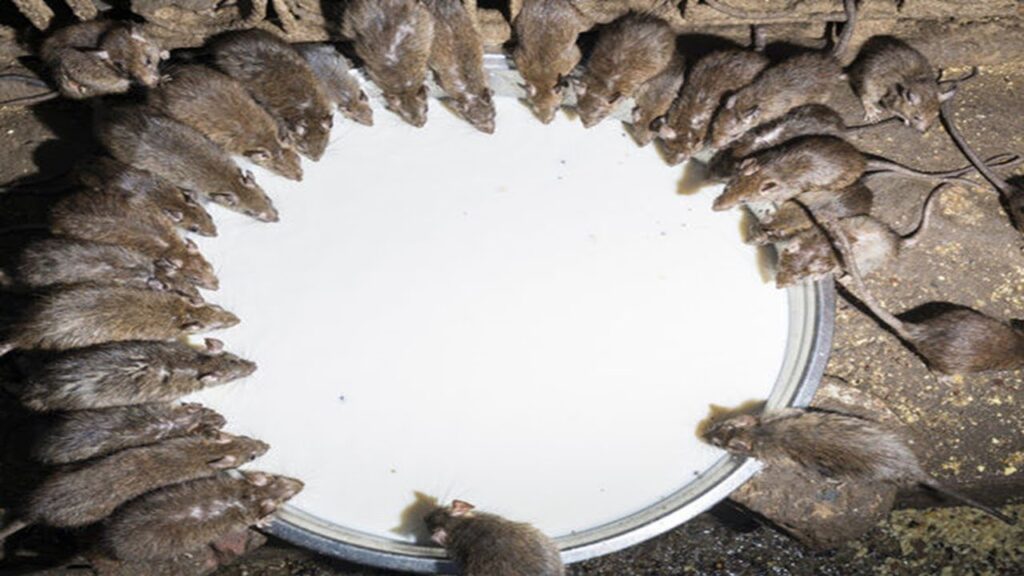
Additionally, keeping an eye on potential entry points and food sources can help in early detection. By staying vigilant, property owners can ensure that their efforts in rodent control are not in vain.
Community Awareness and Education
Rodent control is not solely the responsibility of individual property owners; community awareness plays a crucial role. Local councils and community groups can organise educational campaigns to inform residents about the risks associated with rodents and the importance of early intervention.
By fostering a culture of awareness and responsibility, communities can work together to minimise rodent populations. This collective effort can lead to a healthier and safer environment for all residents.
Conclusion
Rodent infestations can pose serious health risks and cause significant damage to properties, particularly in urban areas like Sydney. Early intervention is essential for effective rodent control, as it can prevent small problems from escalating into larger, more costly issues. By understanding rodent behaviour, recognising the signs of an infestation, and implementing preventive measures, property owners can safeguard their homes and health.
Engaging professional pest control services and fostering community awareness further enhances the effectiveness of rodent control efforts. Ultimately, a proactive approach to rodent management not only protects individual properties but also contributes to the overall well-being of the community. Taking action early can make all the difference in maintaining a rodent-free environment.
Related : Termite Inspection Blue Mountains: Spotting Infestations Before It’s Too Late
